
How to Get Permanent Residency on a Skilled Work Visa
Home Partner Visa Evidence How to Get Permanent Residency on a Skilled Work Visa PromptLaw Team July 14, 2026 8...
Read Guide→
Prompt Law Australia | Contract Review & Commercial Law Firm
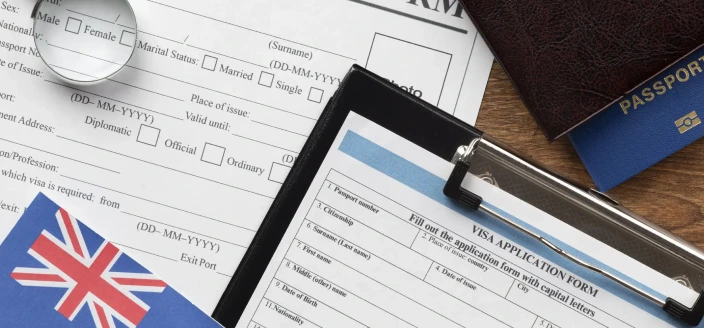
What documents do you need for an Australian partner visa? Every partner visa application requires evidence across four categories: financial, household, social, and commitment – demonstrating a genuine and continuing relationship. The strength of your evidence across all four categories directly affects the outcome of your application.
Unsure if your evidence is strong enough? The team at Prompt Law reviews partner visa documents daily. Speak with our partner visa lawyers before you lodge.
Category | What It Covers |
Financial | Joint accounts, shared assets, combined liabilities |
Household | Shared address, lease, utility bills, and domestic arrangements |
Social | Photographs, statutory declarations, and travel together |
Commitment | Relationship statement, plans, mutual knowledge |
Evidence is required across all four categories. Strength in one does not compensate for a gap in another.
Financial evidence demonstrates that you and your partner have genuinely combined your financial lives.
Strong financial evidence includes joint bank account statements showing regular shared transactions, a lease or mortgage in both names, shared loan or insurance documents, and evidence of one partner financially supporting the other.
What case officers look for is consistency over time – not a joint account opened shortly before lodgement. Regular shared financial activity across months or years is significantly more persuasive than recent arrangements.
Financial evidence demonstrates that you and your partner have genuinely combined your financial lives.
Strong financial evidence includes joint bank account statements showing regular shared transactions, a lease or mortgage in both names, shared loan or insurance documents, and evidence of one partner financially supporting the other.
What case officers look for is consistency over time – not a joint account opened shortly before lodgement. Regular shared financial activity across months or years is significantly more persuasive than recent arrangements.
Social evidence demonstrates that your relationship is recognised by others.
Strong social evidence includes statutory declarations from people who know you both as a couple, photographs across different settings and time periods, joint travel records (flights, hotel bookings), and social media or correspondence showing your relationship is known to family and friends.
Statutory declarations matter significantly. Generic, brief statements add little weight. Specific accounts from people describing actual interactions with you as a couple – events they witnessed, conversations they had – carry far more persuasive value. Aim for at least two to three declarations from a mix of family, friends, and community contacts.
Commitment evidence demonstrates a genuine long-term orientation to the relationship.
Strong commitment evidence includes a relationship statement written by both partners in their own words, evidence of plans (bookings, property, shared goals), correspondence showing ongoing communication, and each partner being nominated as the other’s emergency contact or beneficiary.
The relationship statement is particularly important. It should not read as a timeline of dates – it should be a genuine, personal account of how the relationship developed and where it is heading.
The four evidence categories apply to both. However, de facto applicants must also demonstrate that the relationship has existed for at least 12 months before lodgement (unless a registered relationship applies). This means evidence must cover the history of the relationship – bank statements, photographs, and records spanning the qualifying period – not only its current state.
Spouse applicants must additionally provide a valid marriage certificate and evidence that the marriage was legally recognised in the country where it took place.
Understanding what raises flags is as important as knowing what to include.
Evidence assembled shortly before lodgement: Relationships exist over time. Evidence originating mostly from the weeks before lodgement suggests the relationship has not been ongoing as claimed.
Inconsistencies between partners’ statements: If both partners describe the relationship differently in their statutory declarations or relationship statements, this is a direct concern for case officers.
Generic statutory declarations: Vague statements that could apply to any relationship add minimal weight. Specific, personal accounts are what matter.
Unexplained gaps: If you have lived apart, had limited joint finances, or have circumstances that appear unusual, an unexplained gap is more damaging than one that is proactively addressed.
Many applicants overlook this. The permanent stage of the partner visa – assessed approximately two years after lodgement – requires evidence that your relationship has continued after the initial application. Ongoing joint financial activity, continued shared residence, and updated statutory declarations may all be required at that point.
Documenting your relationship after lodgement is not optional – it is a requirement.
Upload your relationship documents across all four categories. We identify what is missing, what is weak, and what needs to be restructured before you lodge, with written feedback on exactly what to add.
We review every statutory declaration in your application for specificity, consistency, and legal sufficiency. Generic or vague declarations are flagged and rewritten before they become a problem with the case officer.
We work with both partners to prepare individual relationship statements that are detailed, consistent, and written in a way that meets Department of Home Affairs requirements – without sounding templated.
If you and your partner have been living apart, we assess your communication records, visit history, and financial evidence to determine whether your application has sufficient depth before lodgement.
If the Department has issued an RFI on your existing application, we will prepare a complete, targeted response addressing every point raised – reducing the risk of further delays or an adverse decision.
From initial evidence review through to permanent stage assessment, we manage the entire application – onshore Subclass 820 or offshore Subclass 309 – so nothing is missed at either stage.
The Department of Home Affairs assesses evidence across financial (joint accounts, shared assets), household (shared address, lease, utilities), social (statutory declarations, photographs, travel), and commitment (relationship statement, plans, mutual knowledge). Evidence is required across all four.
There is no fixed minimum, but most well-prepared applications include at least two to three from a mix of family members, friends, and community or workplace contacts. Quality and specificity matter more than quantity
The four categories apply to both. De facto applicants must additionally demonstrate at least 12 months of relationship history before lodgement. Spouse applicants must provide a valid marriage certificate and evidence of legal recognition.
Yes. The permanent stage, assessed around two years after lodgement, requires evidence of the relationship continuing after the initial application. Ongoing joint financial activity, shared residence, and updated declarations may all be required.
Our migration lawyers review your complete evidence package before lodgement – identifying gaps across all four categories, advising on what is missing, and ensuring your statutory declarations and relationship statement are structured to meet Department requirements.